Recently, our family has been listening to The Lord of the Rings trilogy (and the Hobbit) on audiobook. I’m much more entertained by the stories than I was when I read them as a teen, and I’ve found myself fascinated by the life of the hobbits, particularly their eating habits.
If you know me, you know I love food, and I love talking about food. Today, I’m going to let the hobbits talk for me as I share a few lessons I’ve gleaned from considering their kind of lifestyle, along with some practical tips on how to be hobbit-ish as a mother and homemaker.
"then to the pantry to fetch two beautiful round seed cakes, which he had baked that afternoon for his after-supper morsel"
The Hobbit, J.R.R Tolkien
1- Be Prepared
In The Hobbit, Bilbo Baggins finds himself hosting a group of uninvited dwarves and a wizard. While this party was unexpected, and while he was none too pleased at the intrusion, his trips to his pantry yielded plenty of food to satisfy his guests. Cakes, scones, cheese, mince-pies, tarts, jam, eggs…all washed down with tea, coffee, ale, or wine.
This is an extreme example; my own pantry wouldn’t be able to hold that much, even if I had the ability to make it all! But I love the idea of always being prepared to offer something tasty. A good deal of trouble can come from a grumbling stomach, and a lovingly offered treat can balance blood sugar AND provide an opportunity to show soul-deep encouragement. This goes for outside guests, certainly, but also for the people who live in my own home. If I want to be able to provide nourishing meals and snacks to my family, I need to be prepared before they are begging for food.
This can be accomplished in many ways, from meal planning to batch cooking to making extra when you’re in the kitchen anyway to stock a freezer. In this season, I find myself preferring to work from a well-stocked inventory than create a strict meal plan, but I also try to make sure I always have fresh bread, homemade broth, and some kind of treat on hand for “emergencies”. Something I have started doing that has been very helpful is making a batch of cookies and freezing them in balls, to pull out and bake at a moment’s notice. There is nothing like a warm cookie to offer a guest, tired husband, grumpy child, or even yourself, after a long day; it’s like a hug in food form.

"it was a hobbit hole, and that means comfort"
The Hobbit, J.R.R Tolkien
2- Eat Well
The hobbits were quiet and liked to keep to themselves, avoiding the call of intrigue and grand adventure that lay beyond the borders of the Shire. They were content to spend their days in the garden, blowing smoke rings, cooking, and, of course, eating. We live in a culture that glorifies the trail-blazer, world-traveler, wanderlust soul…but there’s good to be had nearby, too. There is a comfortable rhythm in the tasks of homemaking. They aren’t passive and mindless, either. It takes a great deal of resourcefulness, determination, skill, and thought to effectively run a home, especially when it comes to food. It almost seems as though a simple and quiet life is, perhaps, looked down upon as being “easy”, when it isn’t. Choosing to create a home structure that allows for morning coffee on the deck, warm lunches, and frequent snack-and-book breaks takes a lot of intentionality and effort, but I believe that the benefits are vast.
I had spent many years gaining skill in the kitchen, but I was recently convicted of my lack of attention to the beauty and delight of meal making and eating. Unlike the hobbits, I scrambled to get something edible on the table, with little thought or concern about variety, flavor, or texture. But I knew that paying more attention to details would serve my family and, as it turns out, myself. Obviously, as a mom of four young children, I’m not making five star dinners every night. Sometimes, it’s a quick reheat of leftovers or toss of a stir fry in a pan. Characteristically, though, I try to incorporate new recipes and flavors. I make a pan sauce to go with the chicken, or a special garlic butter for the naan. I make sure little add-ons like parsley and chives are available. My husband definitely appreciated the increased variety and richer flavors, as did my kids. I was more shocked to realize how much I appreciated it. With just a little extra time and effort, I was making meals that I actually looked forward to eating. And the rut I had long felt stuck in when it came to cooking and menu planning gave way to excitement as I searched for new recipes and planned out grocery lists. Eating well is a celebration of all our senses, an experience of delight, and a chance to elevate one of the most mundane and repetitive tasks we participate in.


"at other times there were merely lots of people eating and drinking- continuously from elevenses until six-thirty, when the fireworks started"
The Fellowship of the
Ring, J.R.R Tolkien
3- Eat Often
Hobbits ate seven times during the day; breakfast, second breakfast, elevenses, luncheon, tea, dinner, and supper. Can you imagine? There would be little time for anything else! And while I’m not advocating for observing a hobbit schedule to the letter, I do believe there’s merit to frequent breaks for food. Especially for mothers, it is very easy to get caught up in the tasks of the day and forget to nourish our bodies when we feel that twinge of hunger…we may even skip whole meals in the interest of getting something done or monitoring kids. This wreaks havoc on our bodies, our hormones, and our spirits. As I mentioned above, eating can be such a feast of sensory delights; we see, we feel, we smell, we taste. A break to indulge some of our senses and fuel our bodies can greatly impact the outcomes of our day.
As a homeschool mom, I see a huge difference in my kids when I stay on top of keeping them fed and full. As a homeschool mom, I also have a lot of things to do, and don’t love being constantly badgered about snacks. A system that works well for us is to have planned times for food. The hobbits keep seven; we keep five. We eat breakfast when we wake in the morning (usually eggs and toast or oatmeal), tensies (like elvenses, but at ten o’clock), a nice big lunch, teatime (tea with a sweet treat) and dinner (soup).
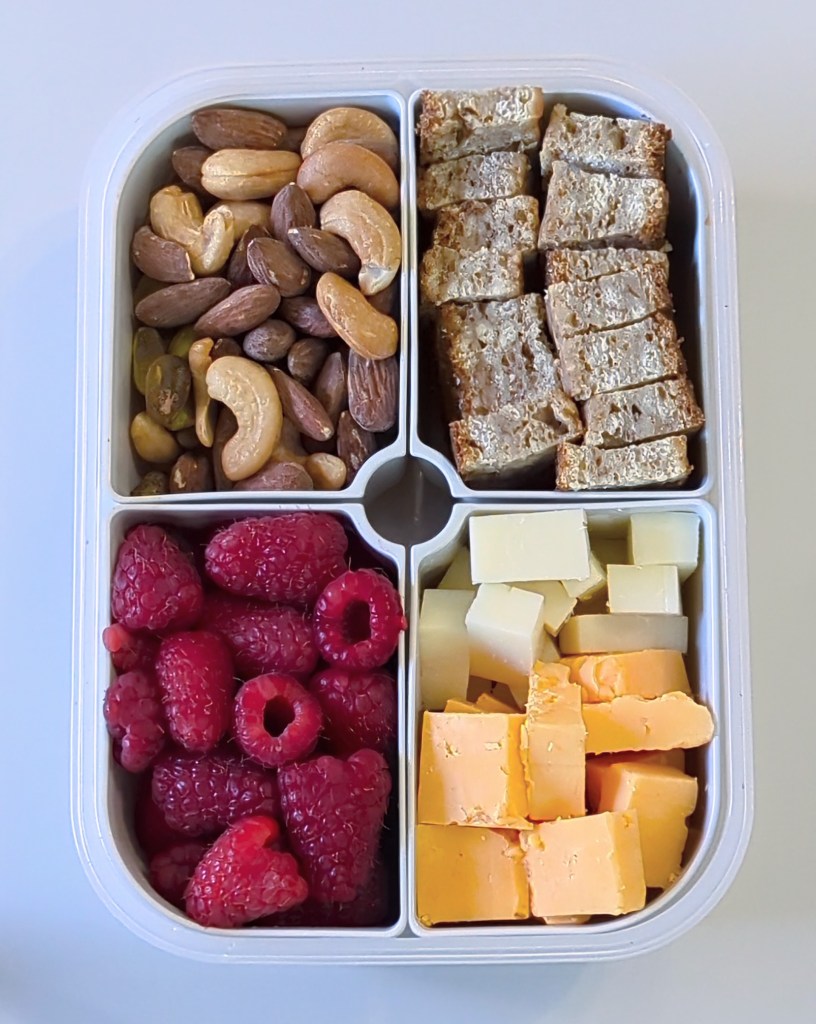
After dinner, sometimes we have more tea or a glass of milk to round out the day. I appreciate this schedule because the kids know when it’s almost tensies, or that tea time is approaching, and so it preserves me from hearing them ask for snacks, since they know it is coming. I also try to prepare our mid-morning food the night before, which means all I have to do is go and grab it from the fridge or pantry, which is nice when we’re in the middle of morning school lessons.
"they were sipping their favorite drinks, and nibbling at their favorite dainties ....they were prepared to listen to anything, and to cheer at every full stop"
The Fellowship of the
Ring, J.R.R Tolkien
4- Experience Mealtime
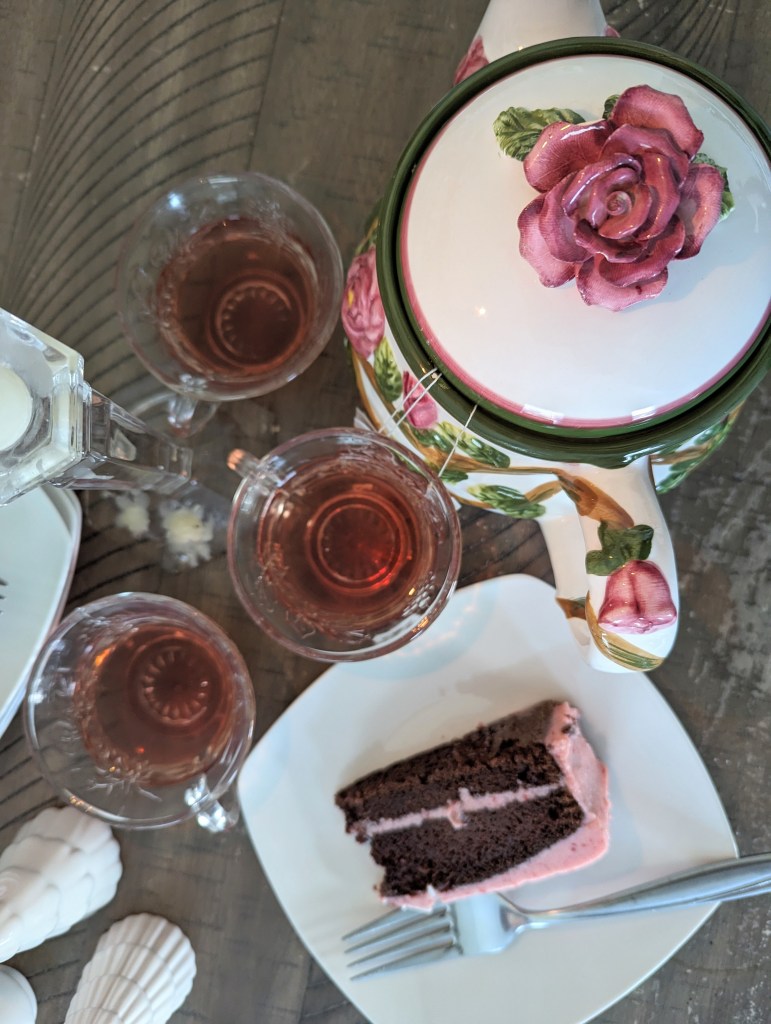
Gathering around a table is a sacred event. It’s a time to pause and be thankful for provision. It’s a time where tired bodies can sit, hungry bodies can be satisfied, and connections can be strengthened. Events of the day can be recounted, maybe accompanied by feelings of sadness, maybe joy, but felt in the community of a group of people that love one another. Food has a way of bringing people together; it’s a common language that knows no geographical, racial, political, or age-related boundaries. While our tastes vary, the delight in a service of beautiful, delicious food is universal. As partners or parents, we can take advantage of the fact that hearts, minds, and mouths open a bit more freely and readily with a fork and drink in hand. What better time to ask questions and share thoughts with those we love? Meals shouldn’t be considered a necessary evil, or a box to check; they can be a liturgy, of sorts, a place where comforting rhythms draw a family back in to unity and peace.
This isn’t an impractical, idealistic view of how mealtimes should go; our dinners are not always long, drawn out, relaxing events. I have four young children, remember? There are plenty of spills, necessary reminders to sit still and use a fork. Interruptions, burp noises, forgetting to cover their mouths when they cough. But a few simple, intentional details help to structure our mealtimes to be times of celebration and delight. We sit at a table, together…sometimes outside, sometimes inside…with phones and screens put away so our focus can be on the yummy food and faces around us. In the winter, we like to light candles at the table. I’m trying to get better about pretty presentation, as well…setting the table, putting food into serving dishes, and making things feel fancy. If conversation lags or squabbles begin to break out between kids, I try to interject a conversation starter; sometimes something funny, something thought provoking. During our dinners, my husband reads a chapter from a book (currently Redwall). We like to talk about food, too. We verbally note the aspects of meals we find most appealing or delicious. I’ve noticed that, in doing this, the kids have begun to pay more attention to flavor and texture elements of the things I prepare, and they are (generally) very encouraging and thankful for meals I make for them.
Even if some evenings are consumed with baseball practice, or Bible study, or date night for mom and dad (all good things!), I would encourage you to make sure that you are carving out time to just sit and enjoy a few meals a week as a family, whatever “family” looks like for you. There is evidence, both scientific and anecdotal, that reveal how powerful it can be for children to grow up with frequent family meals around a table. The foundation of love, delight, nutrition, and safety that this simple practice can provide is worth all the time and effort. And it will not only serve your children; everyone can benefit from truly experiencing a meal in joy and companionship.
—————————————————————————————————————————————————————————————————
A little bit of adventure makes life exciting, especially if it’s free of trolls and trips to Mt. Doom. But the hobbits were wise in their knowledge that a quiet, tasty meal at home is no small thing. It means a great deal. And I believe that we would all be the better for being a bit more like hobbits, livening our tables with warm food and chatter. May our homes be like those of the Shire-folk; truly, places of comfort.